
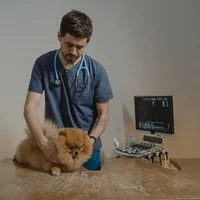
Bacterial Infections in Dogs – What Is It, How Are They Caused, And How to Treat It?
A bacterial infection can leave your dog feeling miserable, but with prompt care most pups bounce back quickly. Understanding what causes these infections and how to spot them early helps you get your companion the treatment he needs.
Because there are several different types of bacterial infections, the right treatment depends on the specific variety and where it appears. The sooner you act, the sooner your four-legged friend will look and feel like himself again.
What a Bacterial Infection Actually Is
A bacterial infection occurs when bacteria enter the body, multiply, and trigger a reaction. It can start almost anywhere and spread to other areas of your dog's body.
The most common entry points are scrapes, cuts, and open wounds, which give bacteria a direct pathway inside. Bacteria can also enter through mucus membranes such as the nose and eyes. Once inside, they can reach the bloodstream and make your dog sick.
Why Dogs Develop Bacterial Infections
Several factors can make a dog more vulnerable. Knowing these risk factors makes prevention much easier.
- A weakened immune system: Dogs coping with other health issues have a harder time fighting off bacteria.
- An unbalanced diet: Food that lacks essential nutrients leaves a dog less able to defend itself, so quality nutrition is crucial.
- Poor hygiene: Small abrasions from play can go unnoticed until you brush or bathe your dog. Even the tiniest wound is big enough for bacteria to enter, so keep minor cuts clean.
- Age: Just like people, older dogs have less resilient immune systems and are more prone to illness.
- Allergies: Excessive scratching can break the skin and open the door to bacteria. Treating your dog's allergies helps prevent this cycle.
Common Types of Bacterial Infections in Dogs
Bacterial infections show up in different parts of the body. A few of the most common include:
- Skin infections — often beginning at a small open wound hidden under your dog's coat.
- Urinary tract infections — caused when bacteria enter the urinary tract.
- Leptospirosis — contracted through contact with infected urine from another animal. The American Veterinary Medical Association's guide to leptospirosis explains why vaccination and prompt care matter.
- Bacterial eye infections — caused by bacteria entering through the mucus membranes of the eyes.
Warning Signs to Watch For
Recognizing an infection early is the first step toward treating it. A dog fighting a bacterial infection may show changes such as:
- Loss of appetite or reduced interest in water
- Noticeable fatigue or low energy
- Reluctance to go outside
- Lying around far more than usual
If you notice these signs, it's worth a closer look and a call to your vet. For more on when symptoms warrant attention, VCA's overview of skin infections in dogs is a helpful resource.
How Bacterial Infections Are Treated
The first step is identifying the infection, which is why consulting your veterinarian as soon as possible is so important. Your vet can examine your dog, run any needed tests, and prescribe antibiotics to combat the infection.
When the infection stems from an open wound on the skin, medicated shampoos or ointments may be used to clear the bacteria. Although bacterial infections are common in dogs, they should always be taken seriously — delaying treatment can lead to more serious health problems.
Supporting a Healthy Start
A strong immune system starts with good nutrition, routine grooming, and staying current on vaccines. When you bring home a puppy from one of the many dog breeds we carry, our team can point you toward the right supplies and care basics for a healthy beginning.
Ready to meet your next companion? Browse our available puppies at Petland Pensacola, and ask our team about pet financing and payment options to bring home a happy, healthy new family member.