
Foods That You Should Avoid Giving to Your Dog at All Times
We all love spoiling our pups with the occasional treat, but some foods should never make it into their bowl. Dogs and humans metabolize food differently, so ingredients that are perfectly harmless for us can be toxic — even deadly — for a dog.
Sorting the safe snacks from the dangerous ones can be confusing, so we've broken down five common foods you can share and five you should always avoid.
Human Foods Dogs Can Safely Enjoy
These everyday foods make great occasional treats when served plain and in moderation.
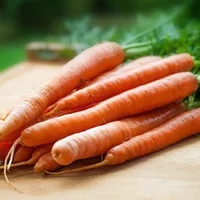
- Carrots: Both raw and cooked carrots are low in calories and offer vitamins, minerals, and fiber. Cut them into bite-size pieces to make them easier to chew.
- Peanut butter: In small amounts, unsalted peanut butter is a tasty, protein-rich treat. It is high in calories, so keep portions modest to avoid weight gain.
- Cooked eggs: One medium cooked egg delivers protein plus several vitamins and minerals, and may help settle an upset stomach. Skip raw eggs, which can carry bacteria like Salmonella.
- Cooked, boneless salmon: A great source of omega-3 fatty acids that support healthy skin and coat. Always remove the bones, which are a choking hazard.
- Plain popcorn: Fully popped, unsalted popcorn is fine as an occasional treat. Avoid unpopped kernels, which can lodge in teeth or cause choking.
Foods You Should Never Give Your Dog
The following common foods are toxic and can cause serious harm — keep them well out of reach.
Grapes and Raisins
Grapes and raisins contain toxic compounds that can trigger rapid kidney failure, which may be fatal. Even small amounts are dangerous, so never let your pup have them.
Chocolate
Chocolate contains theobromine and caffeine, two stimulants dogs cannot efficiently metabolize. Signs of poisoning include vomiting, diarrhea, and dehydration, and severe cases can progress to internal bleeding, muscle tremors, seizures, and death.
Macadamia Nuts
Macadamia nuts contain a toxin that can cause vomiting, muscle weakness, tremors, hyperthermia, and lethargy. Their high fat content can also raise triglyceride levels and lead to pancreatitis.
Onions
Onions contain N-propyl disulfide, which damages a dog's red blood cells and reduces their ability to carry oxygen, leading to anemia. Every form — including onion powder — is toxic.
Avocados
Avocados contain a toxin called persin that is poisonous to dogs. It can cause fluid to build up in the lungs and chest, resulting in breathing trouble, oxygen deprivation, and even death.
What to Do If Your Dog Eats Something Toxic
Stay calm and try to identify exactly what your dog ate and roughly how much. Contact your veterinarian right away for emergency guidance. The ASPCA Animal Poison Control Center is another excellent resource, available 24 hours a day, 365 days a year at (888) 426-4435.
For more on everyday hazards hiding around the house, the AVMA's guide to common household pet dangers is worth a quick read.
Feeding Habits Start Early
Whether you're raising a food-motivated Labrador Retriever, a curious French Bulldog, or a tiny Yorkshire Terrier, teaching safe treat habits early protects them for life. Small breeds especially can be affected by even tiny amounts of toxic food, so consistency matters.
Ready to add a new companion to your family? Browse our available puppies or ask our team about financing and payment options the next time you visit Petland Pensacola.