
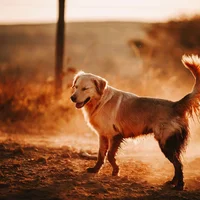
How to Keep Your Pets Safe from Poor Air Quality This Summer
Summer in Pensacola brings warmer temperatures and, often, poorer air quality. High levels of pollutants, wildfire smoke, and heavy pollen can all take a toll on your pet's health and comfort.
Just like people, pets can develop respiratory and other health issues when the air turns hazy. These practical steps will help you keep your dog safe and comfortable through the hottest, smokiest months of the year.
Why Poor Air Quality Puts Pets at Risk
Bad air can come from vehicle emissions, industrial pollution, wildfires, and high pollen counts. These pollutants may trigger respiratory distress, eye irritation, and worsen existing conditions.
Some pets are especially vulnerable, including animals with asthma or heart disease, and flat-faced (brachycephalic) breeds like French Bulldogs. For breed-specific health considerations, the American Kennel Club's guide to brachycephalic breathing is a helpful reference.
Warning Signs to Watch For
Before poor air becomes a serious problem, learn to spot the early signals that your pet is struggling:
- Coughing or wheezing — frequent episodes can point to respiratory distress.
- Labored breathing — rapid breathing or excessive panting may signal trouble.
- Eye irritation — red, watery, or inflamed eyes from pollutant exposure.
- Lethargy — unusual tiredness or inactivity.
- Nasal discharge — clear or colored discharge can indicate irritation or infection.
- Behavioral changes — increased irritability, anxiety, or restlessness.
Monitor the Air and Adjust Outdoor Time
Stay informed with local air quality reports, apps, or weather updates. The Air Quality Index rates pollutant levels on a scale from good to hazardous, so check it before heading out.
On poor-quality days, minimize outdoor time. Schedule walks and play for early morning or late evening when pollution tends to be lower, and skip strenuous activity that speeds up your pet's breathing and pollutant intake.
Build a Clean Indoor Safe Haven
Make your home a refuge from outdoor pollutants. Keep windows and doors closed on bad-air days, and run air purifiers with HEPA filters to cut down on indoor allergens.
Vacuum and clean regularly to remove dust, pet dander, and other particles that can accumulate indoors.
Support Comfort with Hydration and a Cool Space
Fresh, clean water at all times is essential during hot, polluted stretches. Good hydration supports respiratory function and lowers the risk of heat-related illness.
High temperatures intensify the effects of poor air, so give your pet a cool place to rest with fans, air conditioning, or a cooling mat. Never leave a pet in a parked car — interior temperatures rise dangerously fast.
Grooming, Diet, and Protective Gear
Keep Coats and Paws Clean
Regular grooming removes pollutants and allergens from your pet's coat. Wipe paws and fur after outdoor time to reduce the dirt and particles brought indoors, which also helps prevent skin irritation.
Feed for Resilience
A healthy, balanced diet supports the immune system. Ask your veterinarian about antioxidant-rich foods and supplements such as omega-3 fatty acids, which may help reduce inflammation and support respiratory health.
Consider Protective Gear
For pets that must go outside on poor-air days, pet-friendly masks or bandanas can filter out some pollutants, though they won't stop everything. Always check with your veterinarian before using any gear to be sure it's safe for your pet.
Schedule Regular Veterinary Check-Ups
Routine visits let your vet monitor your pet's health and catch problems early. If you notice signs of respiratory distress, seek care promptly. The American Veterinary Medical Association's advice on pets and wildfire smoke offers additional guidance for smoky days.
Ready to add a healthy new companion to your family? Come browse our available puppies at Petland Pensacola, and ask our team about financing and payment options that fit your budget.