
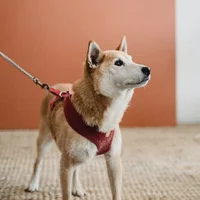
More People Are Switching to The Dog Harness
More Pensacola dog owners are trading traditional collars for harnesses—and for good reason. A harness offers safer, more comfortable control on walks, especially for dogs that pull or have sensitive necks.
Whether you have a strong puller or a tiny companion, understanding how harnesses work can make every walk calmer and more enjoyable for both of you.
What a Dog Harness Actually Does
A dog harness secures and controls your dog during walks and other activities. Unlike a collar, which concentrates pressure on the neck, a harness distributes force across the chest and shoulders.
This design helps prevent strain on the neck and trachea, making it a smart choice for dogs with respiratory concerns or those prone to leash pulling. It also gives owners more leverage over larger, stronger breeds like Siberian Huskys and Labrador Retrievers.
Common Harness Styles
- Step-in harnesses — your dog steps in and you clip over the back.
- Overhead harnesses — slip over the head and buckle behind the legs.
- Front-clip harnesses — the leash attaches at the chest to discourage pulling.
Harnesses come in a range of colors and styles, so you can pick one that suits your dog's size, behavior, and personality.
How to Choose the Right Fit
Comfort and safety come first when selecting a harness. A poor fit can chafe, slip off, or fail to give you the control you need.
- Measure the chest girth accurately so the harness sits properly.
- Look for adjustable straps that distribute pressure evenly and allow a custom fit.
- Choose durable, breathable materials for long-lasting, everyday use.
- Add visibility with reflective strips or bright colors for nighttime walks.
Smaller breeds such as Chihuahuas and Yorkshire Terriers especially benefit from a snug, well-fitted harness that protects their delicate necks. The ASPCA's general dog care guidelines offer helpful pointers on everyday walking gear.
Training Your Dog to Wear a Harness
Introducing a harness is an important step toward safe, comfortable walks. Take it slow so your dog builds a positive association from the start.
- Let your dog sniff and investigate the harness first.
- Place it loosely on their back for short periods, rewarding with treats and praise.
- Once they're comfortable, fasten it securely—snug but not so tight it restricts movement.
- Begin with short walks and offer steady positive reinforcement.
- If your dog resists, distract them with treats or toys while walking.
With patience and consistent sessions, your dog will soon connect the harness with fun outdoor adventures. For more on positive reinforcement, the American Kennel Club's guide to positive reinforcement training is a great resource.
More Comfort for You, Too
Some dogs love to lead the way and pull, pull, pull—turning a simple stroll into a workout. A well-designed harness gives you better control so walks stay calm and enjoyable for both of you.
In short, a harness is a versatile, practical tool that improves control, safety, and comfort for your furry companion every time you head outside.
Thinking about welcoming a new walking buddy? Browse our available puppies at Petland Pensacola, explore all the dog breeds we carry, and ask our team about flexible financing and payment options.