
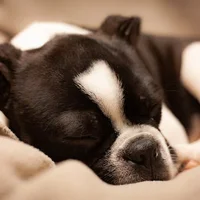
Our Dogs Like to Sleep!
If you've ever envied your dog stretched out and snoozing in a sunny spot, you're not alone. While many adults struggle to get the seven to nine hours of nightly sleep that the experts on healthy dog care recommend for people, our four-legged friends have it a little easier.
Most dogs spend roughly twelve to fourteen hours a day sleeping, and puppies need even more. Rest is essential for a dog to look and feel its best, so understanding your pup's sleep habits helps you spot what's normal and what's not.
Why Puppies Sleep So Much
Puppies are constantly growing in body and mind, and all of that development takes energy. The average puppy sleeps between fifteen and eighteen hours every day, catching up on rest between bursts of play and learning.
As dogs mature, their sleep needs level off, but plenty of shuteye remains a cornerstone of good health at every age.
What Can Affect How Much a Dog Sleeps
Every dog has its own sleep pattern, but several factors can cause a dog to rest more than usual. Some are perfectly normal, while others signal a health concern worth a vet visit.
- Age — puppies and senior dogs tend to need extra sleep.
- Breed — certain breeds simply enjoy more downtime.
- Stress and anxiety — issues like separation anxiety can affect rest.
- Activity level — a dog that lounges all day may nap differently than one that burns energy.
When Extra Sleep May Signal a Problem
Sudden or excessive sleepiness can point to a medical issue. Conditions to have checked by a veterinarian include a thyroxine (thyroid hormone) deficiency, diabetes, anemia, and bacterial or viral infections. Poisoning is an emergency and requires immediate care. If your dog's sleep changes dramatically, the AVMA's pet owner care resources are a helpful reference before you call your vet.
Breeds Known for Loving Their Rest
Some breeds are famous for logging serious sleep hours. Among the sleepiest are Mastiffs and Greyhounds, which often rest around eighteen hours a day. Others that enjoy plenty of naps include:
- Lhasa Apsos — around fourteen hours a day
- Saint Bernards and Great Danes — about fourteen hours a day
- Basset Hounds — roughly fourteen hours a day
- Chow Chows, Shih Tzus, and Pekingese — around thirteen hours a day
- French Bulldogs — about twelve hours a day
Understanding a Dog's Sleep Stages
Much like their human families, dogs move through sleep cycles. The first stage is a slow, quiet, and peaceful sleep in which your dog's body temperature and heart rate begin to lower — the most relaxing part of the cycle.
About ten minutes later, your pup enters REM (Rapid Eye Movement) sleep. You might notice twitching paws or gentle movements as if he's running in a dream. A dog's full sleep cycle is fairly quick, lasting just under an hour.
Simple Ways to Improve Your Pup's Sleep
A few basic habits can help your dog settle into a healthy bedtime routine and get the rest he needs.
Keep a Consistent Nighttime Routine
Dogs thrive on predictability. Help your pup wind down at the same time each evening by lowering the TV, easing off playtime, and reducing activity around the house.
Provide Daily Exercise
Keeping your dog active lets him burn off extra energy so he's genuinely tired at bedtime. A pup that has lounged all day may struggle to settle when everyone else turns in.
Stick to a Feeding Schedule
Set feeding times support both a healthy pup and predictable potty breaks. Once a dog develops a consistent feeding routine, his bathroom schedule usually follows. Feeding later than usual can push his last outdoor trip later too, keeping him up when he should be resting. The AKC's guide to canine sleep offers more detail on healthy rest patterns.
Ready to add a well-rested new best friend to your family? Meet the puppies available at Petland Pensacola and ask our team about financing and payment options to bring your new companion home.