
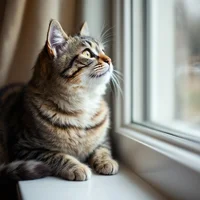
Protect Your Feline Friend: What Every Cat Owner Needs to Know About Avian Influenza!
As a cat owner, your feline friend's health and safety are top priorities. With the ongoing spread of avian influenza—commonly called bird flu—it helps to understand how this virus can affect cats and what practical steps you can take to keep yours protected.
The good news: the risk to cats remains relatively low. Still, a little awareness goes a long way, especially if your cat spends time outdoors or lives near wild birds.
How Avian Influenza Affects Cats
Avian influenza is a viral infection that primarily affects birds, but it can spread to other animals, including cats. Transmission to felines is uncommon, yet cats who roam outdoors or interact with wild birds face a higher chance of exposure than strictly indoor cats.
Understanding the pathways of exposure is the first step toward reducing your cat's risk and recognizing trouble early.
Warning Signs to Watch For
If your cat has been exposed to avian influenza, they may show one or more of the following symptoms:
- Respiratory issues such as coughing or sneezing
- Neurological signs like unsteady walking or seizures
- Unusual lethargy or a sudden loss of appetite
Because these symptoms overlap with many other illnesses, don't try to diagnose at home. Contact your veterinarian promptly if you notice any changes in your cat's behavior, energy, or health.
Simple Ways to Protect Your Cat
Keep Cats Indoors
Limiting outdoor access is the single most effective way to reduce your cat's contact with infected birds or other wildlife.
Practice Safe Feeding
Avoid feeding raw or unpasteurized animal products, which can be potential sources of the virus. Choose properly prepared, quality cat food instead.
Stay Informed
Keep an eye on local avian influenza reports in the Pensacola area and take extra precautions during active outbreaks.
Schedule Regular Vet Check-Ups
Routine veterinary visits help catch health issues early and keep your cat in the best possible shape. You can review the AVMA's guidance on avian influenza in companion animals for trustworthy background information.
Why Acting Early Matters
Even though avian influenza in cats is rare, being proactive pays off. Preventive measures cost you little and can spare your cat from serious health problems down the road. For more on protecting pets from infectious disease, the ASPCA's general pet care resources offer practical, everyday tips.
Caring for Every Member of the Family
Whether your household includes cats, dogs, or both, thoughtful care keeps everyone thriving. If you're considering adding a furry companion, our team can help you find a healthy match—from Labrador Retrievers to French Bulldogs—and answer your questions about responsible ownership.
Ready to grow your family? Browse our available puppies or stop by Petland Pensacola to meet them in person—and be sure to ask about our financing and payment options while you're here.