
Taking Your Dog to the Park
A trip to the park gives your dog room to run, sniff, and socialize with other pups \u2014 all things that build a confident, well-adjusted companion. But before you unclip that leash, it's worth making sure your dog is truly ready for the busy, unpredictable environment of a public park.
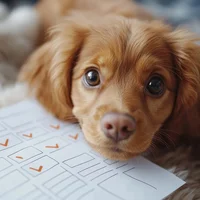
Use the checklist below to decide whether your pup is prepared, and how to set them up for a safe, fun outing.
Will Your Dog Actually Enjoy It?
Not every dog loves the crowd. Some pups feel overwhelmed by large, energetic adult dogs, and a scary first experience can sour them on the park for good.
Ease your dog in gradually before diving into a full park:
- Arrange supervised playdates with friends' dogs of a similar age and temperament.
- Start with small, calm playgroups rather than a packed park.
- Watch for signs of stress or fear and end the session before your pup is overwhelmed.
If your dog shows early signs of aggression, work on that behavior first. A dog park is not the place to test whether it will resolve on its own.
Are Vaccinations and ID Up to Date?
An unvaccinated pup is at risk of contagious disease at the park \u2014 and can put other dogs at risk too. Get your dog fully vaccinated and on a parasite-prevention plan before their first visit.
A good rule of thumb is to wait until your pup is at least 17 weeks old. For guidance on timing and core shots, review the AVMA's overview of pet vaccinations and confirm your schedule with your veterinarian.
Even when your dog is off-leash, keep the collar and current ID tags on. If you ever get separated, up-to-date tags make reuniting far easier.
Does Your Dog Have Basic Recall?
The single most important command for the park is a reliable \u201ccome!\u201d If you're not confident your dog will return when called, it's not park time yet.
Build Recall Step by Step
- Start indoors with short distances, like across the living room.
- Gradually increase the distance \u2014 call your dog from another room.
- Reward every successful return with a treat to lock in the behavior.
A solid recall is your safety net. When play starts to escalate or trouble brews, one word should be enough to pull your pup out of the mix.
Do You Know Dog Park Etiquette?
Good manners keep everyone safe \u2014 and that responsibility runs both ways. Learn to tell the difference between healthy play and bullying so you can step in when your dog is either the instigator or the target.
Keep these points in mind:
- The park is meant for relaxation; if your dog is anxious or stressed, the purpose is defeated.
- Puppies learn good manners from well-socialized adult dogs, so an occasional growl during normal interaction isn't necessarily a fight.
- Watch body language closely and be ready to calmly remove your dog when needed.
The ASPCA's dog park safety tips are a helpful refresher on reading canine body language before you go.
Breeds That Thrive at the Park
Some dogs are especially social and love an active outing. High-energy, people-oriented breeds like Labrador Retrievers, Australian Shepherds, and Siberian Huskies often shine in a park setting once they're properly trained and vaccinated. Even smaller companions such as Pembroke Welsh Corgis can enjoy the socialization with the right introductions.
Ready to find a pup that fits your active lifestyle? Browse our available puppies at Petland Pensacola, and ask our team about financing and payment options when you visit.