
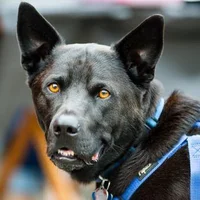
The Many Public Safety Jobs of Our Fur-Legged Friends
When we picture a working dog, we often imagine a pup pulling a cart in the 1800s, herding sheep, or riding along on the back of a firetruck. In reality, today's dogs hold some of the most demanding and impressive jobs around, and many of them are dedicated to keeping people safe.
From sniffing out danger to tracking missing people, here are some of the remarkable roles our four-legged friends fill every day.
Police Dogs and K9 Units
For generations, man's best friend has been sworn to protect and serve. Police dogs, also known as K9 units, do exactly that. A typical shift can include detecting the scents of illegal narcotics and dangerous explosives, or tracking a burglar who just fled a home.
These dogs are typically physically capable and intelligent enough to train for many stressful, high-pressure situations. The average career of a police dog spans about seven to nine years.
Cadaver Dogs
Cadaver dogs are specially trained and certified to detect one very specific smell: human decomposition. Human-remains detection dogs are used in nearly every country in the world for a variety of recovery missions.
They are often deployed after natural disasters such as hurricanes, earthquakes, and tornadoes, helping teams locate victims when human life has been lost.
Search and Rescue Dogs
Search and rescue dogs are essential in locating missing people, and they're credited with tens of thousands of saves. Rather than following the person directly, these dogs track the physical scent a person leaves behind, sometimes over many miles.
How Their Noses Work
A dog's nose contains over 200 million scent receptors. As a scent enters the nose, these special receptors interpret it, allowing the dog to identify exactly what it's smelling. Their ears play a role too, helping circulate air and scent from the ground up to the nose. You can read more about how search and rescue dogs are trained through the American Kennel Club.
Explosive Detection Dogs
Explosive detection dogs have one focus: detecting the presence of explosive material. You'll often find them in crowded places like hotels, subways, airports, sports stadiums, and outdoor marathons.
When one of these dogs locates an explosive scent, it stops in front of the source and alerts its handler. Thanks to their incredible noses, these dogs are credited with preventing many large-scale casualty incidents.
Medical Detection Dogs
Yes, medical dogs are real. In the spring of 2020, the Working Dog Center at UPenn's School of Veterinary Medicine began training Labrador Retrievers to sniff out COVID-19.
Dogs have also been trained to detect other diseases and medical conditions in humans, including cancer and Clostridium difficile (C. diff), a dangerous bacterium transmitted through feces. To understand the value of scent work, the AVMA offers helpful background on canine scent detection.
Truffle Hunting Dogs
Truffles grow underground near specific trees, and for centuries pigs were used to hunt these prized delicacies. Today, certain dogs excel at the task instead. Some of the most suitable truffle-hunting breeds include:
- Pointer
- Lagotto Romagnolo
- Spinone
- Hound
- Jack Russell Terrier
What Makes a Good Working Dog?
A great working dog is both smart and dedicated, able to stay focused on the task without becoming distracted. Not every working dog needs to be physically dominant.
The best working dogs don't just train easily; they can enter "work mode" on command. These loyal animals have served humanity well throughout history and remain a vital part of our daily lives.
Whether you're looking for a loyal companion or a future family protector, our team can help you find the right match. Browse our available puppies or stop by Petland Pensacola to meet them in person, and be sure to ask about our pet financing and payment options.