
Tips for Keeping Your Pup Healthy in the Winter
When temperatures dip, your dog needs a little extra care to stay warm, comfortable, and healthy. Even in a milder climate, cold snaps and dry winter air can affect your pup more than you might expect.
Here are simple, practical steps to keep your four-legged friend feeling great all season long.
Limit Time Outdoors When It's Cold
The key is to monitor your pup and avoid leaving him outside for more than a few minutes at a time in harsh cold. Frostbite can set in quickly and be very painful for your dog.
Watch his behavior closely while outside. If he starts to slow down or shiver, it's time to bring him in. Dogs love the outdoors, but they have limits just like we do.
Add a Layer of Warmth
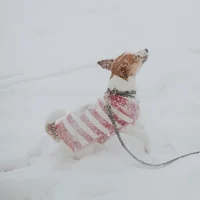
Most dogs have coats that provide some natural warmth, but a second layer of insulation helps considerably. A dog jacket or sweater keeps your pup from losing body heat, and many pet stores carry insulated options designed for cold weather.
This matters most for breeds with thin coats that aren't built for the cold. A Chihuahua or French Bulldog will appreciate the extra warmth far more than a thick-coated breed like a Siberian Husky.
Factor in Age and Activity Level
Young puppies and senior dogs tend to struggle more in cold weather. Puppies love to play but don't always know their limits, and they can get in over their heads when the weather turns.
Dogs between roughly two and eight years of age typically handle the cold better than very young or older pups. Adjust outdoor time accordingly for the age of your dog.
Protect Those Paws
Dogs have sensitive, vulnerable paws, so protecting them is important. Dog booties add a layer between your pup's pads and the harsh ground.
- Ice and cold ground can quickly irritate paw pads.
- Rock salt and other anti-ice agents are also harsh on paws.
- Booties are inexpensive and effective, though they may take some getting used to.
The AVMA's cold-weather animal safety guidance offers additional tips for keeping pets safe in winter conditions.
Wipe Paws Clean After Walks
If you choose not to use booties, wipe your dog's paws when he comes inside. Rock salt and de-icing chemicals can cause discomfort, and wiping the paws removes those substances before your dog licks them off.
It's a quick, easy chore that makes a real difference for your pup's comfort and health.
Help Your Dog Warm Up Indoors
After coming in from the cold, your pup needs to warm up. A dog heating bed is a great way to raise his body temperature and help him relax after exerting himself outdoors.
Many heating beds include an automatic shutoff feature for safety. If a heating bed is out of budget, a less expensive dog heating pad works well too.
Keep Fresh Water Available
Hydration isn't just a summer concern. Winter air is often dry, and your dog still needs plenty of water to feel his best.
Offer ample room-temperature water when your dog comes back inside to keep him properly hydrated. For more on year-round wellness, the ASPCA's cold-weather safety tips are a helpful resource.
A Simple Rule to Remember
We all love our dogs, and a few small precautions keep them in top condition through the season. Always remember: if it's too cold for you to be outside, it's probably too cold for your dog too.
Thinking about adding a new companion to your family this winter? Browse our available puppies at Petland Pensacola, and ask our team about flexible financing and payment options to help bring your new best friend home.