
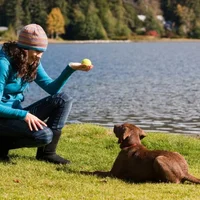
Training Your New Puppy: A Fun Adventure with Tail-Wagging Results!
Bringing a puppy home is like welcoming a furry little tornado of joy, energy, and endless cuteness. Along with the cuddles and wagging tails comes the job of training — but that job doesn't have to feel like a chore.
Done right, training is a fun adventure that shapes your pup into a well-behaved superstar while strengthening the bond between you. Here's how to make every session count.
Start Early — Puppy Power Hour
The best time to begin is the moment your puppy steps paw into your home. Puppies are little sponges, absorbing everything around them, so early lessons like "sit," "stay," and "come" pay off fast.
Keep sessions short and sweet. Puppies have tiny attention spans, so aim for fun, 5–10 minute bursts. Think of each one as a training snack, not a full meal.
Positive Reinforcement — Treats, Praise, and Belly Rubs
Positive reinforcement is the secret ingredient that makes training both fun and effective. When your puppy does something right, reward them right away so they connect good behavior with good things.
- Treats: Keep high-value bites like chicken or cheese on hand for tricky lessons.
- Praise: An enthusiastic "good dog!" goes a long way.
- Play: A favorite toy can be just as motivating as food.
For more on reward-based methods, the American Kennel Club's guide to positive reinforcement training is a great starting point.
House Training — Patience and Potty Time
House training takes consistency and a predictable schedule, but your pup will get it. Take your puppy outside every few hours, especially after meals, naps, and playtime, and celebrate every success with praise.
Why Crate Training Helps
Puppies naturally avoid soiling their sleeping area, so a crate teaches them to hold it until they're let outside. Bonus: it doubles as a cozy, safe nap spot your pup can call their own.
Socialization — Meet the World, One Paw at a Time
A well-socialized puppy is a confident, happy puppy. Introduce yours to new environments, people, and other dogs in a safe, positive way — playdates, park visits, or a trip to a dog-friendly store all count.
Take baby steps and let your puppy explore at their own pace. The ASPCA's advice on socializing your dog or puppy can help you time introductions safely.
Set Clear, Consistent Boundaries
Boundaries teach your puppy how to be a good citizen at home, whether that means not jumping on guests, staying off the couch, or settling calmly in their bed. Be firm but fair, and stay consistent.
Use a gentle, steady "no" — no yelling — and lean on redirection. When your puppy does something you don't like, calmly show them what you do want instead.
Basic Commands That Keep Puppies Safe
Commands like "sit," "stay," "come," and "down" do more than look cute — they keep your puppy safe and build a foundation for advanced training later.
- Start with an easy command like "sit" and reward immediately.
- Once the basics stick, add fun tricks like "shake" or "roll over."
- Practice a little every day to keep skills sharp.
Patience — The Ultimate Training Tool
Training is a journey, not a race. Your puppy will make mistakes — like chewing a shoe instead of a toy — and that's okay. Stay calm, stay consistent, and keep your sense of humor handy.
Some breeds pick up cues quickly, while others test your patience with a stubborn streak. Whether you're working with an eager Labrador Retriever, a clever Australian Shepherd, or an independent Shiba Inu, meeting your pup where they are makes every session more rewarding.
Ready to start your own training adventure? Browse our available puppies at Petland Pensacola, and ask our team about financing and payment options to bring your new best friend home.